Adopting AI is one thing, making it useful to one’s business is another. For enterprise leaders, the real question is where technology can help people work better, serve customers well, and deliver results they can measure.

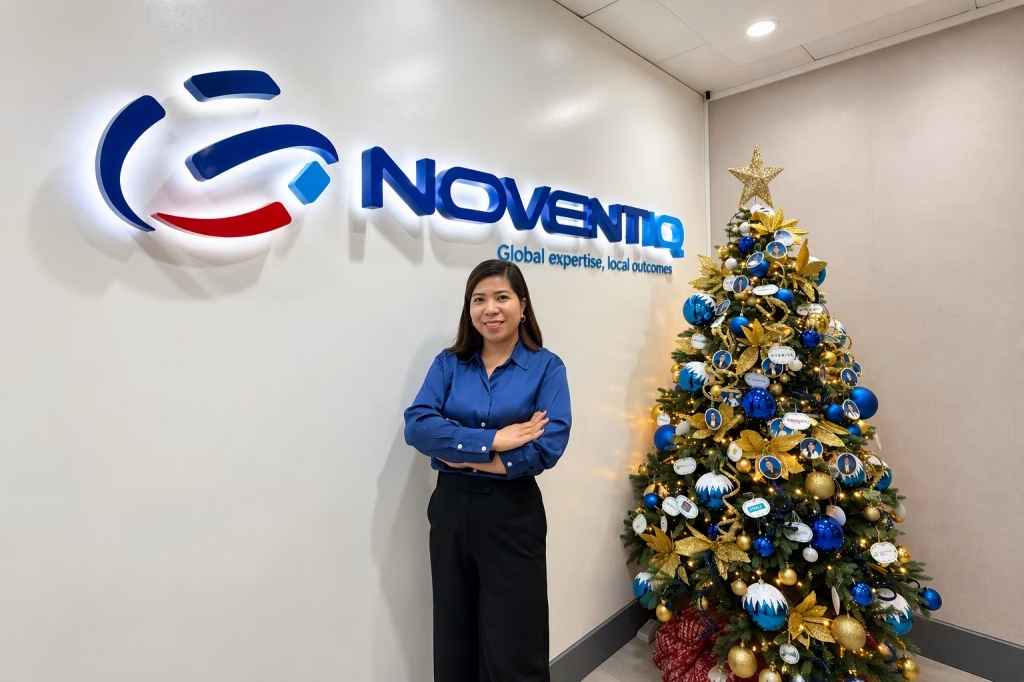
Lilibeth Tumbali, General Manager, Noventiq Philippines, believes the process of AI adoption starts with the business, not the technology. From planning an initial rollout to expanding its use, she puts the emphasis on clear goals, people and accountability—an approach that reflects Noventiq’s work in digital transformation and cybersecurity.
For Tumbali, the following six steps chart out the path to a stronger business with AI adoption.
- Make AI adoption a business decision.
AI adoption shouldn’t be taken on just for the sake of it. Chasing a trend or trying to catch up with the shifting landscape is not a significant goal in itself. Instead, business owners need to take the time to assess their current status, identify areas for growth, and make their decision to adopt AI from there.
“Before we ask what AI can do, we need to be clear about what the business needs to do better,” says Tumbali. “For me, meaningful AI adoption starts with a real business need and a practical change that helps our employees work better and serve customers well.”
Only after an honest assessment of the business can proper decisions around AI use be made. Business leaders should look towards which tasks need to change, the information that their employees need to function more efficiently, and where decisions are best handled by humans.
It’s important to be purposeful about the decision to bring AI into the fold. The goal is improving and streamlining the business, not simply hopping on board with the newest tech.
- Put safeguards into the operating plan.
Now that the decision to incorporate AI has been made, leaders need to set clear boundaries regarding its use. Again, the key is being purposeful as opposed to just adopting as much tech as quickly as possible.
“We need to be as clear about AI’s boundaries as we are about its possibilities,” says Tumbali. “That means deciding what information it can access, what actions it can take, and when a person or our employees must step in. These decisions need to be part of the plan from the start.”
Before putting AI to work, leaders need to understand what it can and cannot do. Set clear expectations of the technology’s limitations, then begin asking some practical questions. What data can the AI access? How will privacy be protected? Who is responsible for keeping the system working as intended? Identifying clear answers to these concerns help the business pursue efficiency without losing sight of human oversight.
- Define the working relationship between people and AI.
While AI can be a powerful and time-saving tool, no business can run on full digital automation. No matter what your trade or industry, the buck always stops with human workers. AI can’t do anything without input from the people controlling its work and parameters.
Specificity is what’s required here. Businesses need to understand which tasks are best left to the AI and which ones must be handled by human employees.
“Giving an AI agent a task does not mean handing over our responsibility as leaders,” says Tumbali. “Our people, our employees need the skills, confidence, and authority to guide it, question its output, and intervene when needed. We remain accountable for the outcome.”
Training one’s employees is an important factor here as well. It’s important to help them understand how best to interact with their AI tools. This includes not only practical training and clear escalation routes, but also empowering employees to point out inconsistencies or inefficiencies with machine-related work when it appears.
Don’t let go of control just because there’s new tech involved, harness its power in unison with the staff instead.

- Choose a practical area for change.
Tumbali offers clear insight into defining the areas for growth that AI can address.
“Start with a problem people recognize—a customer needing an immediate answer, an employee repeating the same task, or a team struggling to test an idea,” she says. “Choose one problem and make the improvement visible in employees’ day-to-day work.”
These simple practicalities are where workflow can be more streamlined. Identifying friction points in current processes could lead to smarter solutions when involving AI. These friction points should have direct impacts on the business and require clear action points that can be addressed with the technology of one’s choice.
Ensure that the solution suits those most affected by the problem too. The goal is to make things easier for the people involved, not harder.
- Scale value deliberately, not complexity.
Before expanding AI’s use, choose a specific workflow and record how it performs today. Then track what changes after implementation. Depending on the task, that might mean turnaround time, service quality, cost per transaction or employee satisfaction. Those measures give leaders a clearer, concrete basis for deciding whether the approach is working.
“I would rather see one workflow deliver a measurable improvement than several pilots with no clear next step,” says Tumbali. “Establish the starting point, give someone ownership, and measure what changes. Let that evidence—not the excitement around the technology—guide the decision to expand.”
In times of doubt, return to the data. After implementation, continue assessing the efficiency of the solutions applied and keep working towards a common goal of improving the business as a whole.
- Translate global expertise into local outcomes.
“Global expertise, local outcomes” is the driving mantra that fuels Noventiq.
As part of a global force in the tech space, Tumbali is well-aware of the best ways to put that principle into practice. For her, it’s a key takeaway that businesses of any size can apply, especially when it comes to AI adoption.
“At Noventiq, we invest globally in expertise that helps our customers improve productivity and strengthen security in the AI era,” says Tumbali. “We bring use cases and best practices from other markets to the Philippines, adapting them to local needs. We also equip our local sales, presales, and delivery teams with that expertise to deliver projects that meet global quality standards.”
These practices can be put to work by business leaders all over the country. Assessing the readiness of their company to take on AI adoption is important as well as a phased rollout plan that allows the company to mitigate unnecessary risks.
For further insights from Noventiq Philippines, a global leader in digital transformation and cybersecurity, see their official website at https://noventiq.ph. Follow them on Facebook and LinkedIn at Noventiq Philippines.
About the Author